Threadlockers

Low, Medium, and High Strength

Threadlockers

Threadlockers are anaerobic adhesives engineered to prevent nuts, bolts, and other threaded fasteners from loosening under vibration, shock, or thermal cycling. Unlike conformal coatings or structural adhesives, they cure only in the absence of oxygen and in the presence of metal ions, meaning the liquid resin remains stable and workable while exposed to air, then polymerizes into a hard, thermoset plastic once confined between the mating threads of a fastener.

Threadlockers are graded by their locking strength: low-strength grades allow the fastener to be removed with standard hand tools for parts requiring periodic adjustment or maintenance, medium-strength grades balance secure retention with serviceability for general assembly, and high-strength grades create a permanent bond intended for fasteners that should never be removed. Selection depends on the required breakaway torque, the fastener size and metal type, and whether future disassembly is expected.

39 products

  • LOCTITE 2047

    LOCTITE 2047

    • One-Component Threadlocking System
    • Medium-Strength Thread Retention
    • Slow Cure Profile
  • LOCTITE 242

    LOCTITE 242

    • Medium-Strength Thread Retention
    • Vibration-Resistant Fastener Threadlocking
    • Thread Sealing Protection
  • LOCTITE 246

    LOCTITE 246

    • High-Strength Thread Retention
    • Vibration-Resistant Fastener Threadlocking
    • One-Component Threadlocking System
  • LOCTITE 262

    LOCTITE 262

    • One-Component Threadlocking System
    • High-Strength Thread Retention
    • Thixotropic Application Control
  • LOCTITE 263

    LOCTITE 263

    • High-Strength Thread Retention
    • Low-Viscosity Threadlocking Application
    • High-Temperature Thread Retention
  • LOCTITE 266

    LOCTITE 266

    • Oil-Tolerant Threadlocking Application
    • High-Strength Thread Retention
    • Thixotropic Application Control
  • LOCTITE 2701

    LOCTITE 2701

    • High-Strength Thread Retention
    • Low-Viscosity Threadlocking Application
    • Fluorescent Under UV Light
  • LOCTITE 271

    LOCTITE 271

    • High-Strength Thread Retention
    • Low-Viscosity Threadlocking Application
    • Large Threaded-Fastener Locking
  • LOCTITE 272

    LOCTITE 272

    • High-Strength Thread Retention
    • Medium-Viscosity Application Control
    • No Mixing Required
  • LOCTITE 277

    LOCTITE 277

    • M25 Bolt/Stud Threadlocking
    • High-Strength Thread Retention
    • Medium-Viscosity Threadlocking Application
  • LOCTITE 290

    LOCTITE 290

    • Wicking-Grade Thread Application
    • Low-Viscosity Threadlocking Application
    • High-Strength Thread Retention
  • LOCTITE 294

    LOCTITE 294

    • Wicking-Grade Thread Application
    • Low-Viscosity Threadlocking Application
    • High-Strength Thread Retention
  • LOCTITE 609

    LOCTITE 609

    • High-Strength Cylindrical Retention
    • Low-Viscosity Retention Application
    • Vibration and Fluid Resistance
  • LOCTITE 620

    LOCTITE 620

    • High Temperature Retention
    • Gap-Filling Cylindrical Retention
    • High Mechanical and Fluid Resistance
  • LOCTITE 648

    LOCTITE 648

    • High-Strength Cylindrical Retention
    • Metal Compatibility Cylindrical Retention
    • Heat, Oil, and Contamination Resistance
  • LOCTITE 680

    LOCTITE 680

    • High-Strength Cylindrical Retention
    • Gap-Filling Cylindrical Retention
    • Heat and Fluid Resistance
  • LOCTITE 962T

    LOCTITE 962T

    • Thixotropic Application Control
    • High-Strength Joint Sealing
    • Heat-Resistant Sealing Service
  • PERMABOND HH120

    PERMABOND HH120

    • High-Viscosity Non-Drip Threadlocking
    • MIL-S-46163A/MIL-S-22473E/ASTM D5363 Compliance
    • Vibration/Corrosion-Resistant Thread Retention
  • PERMABOND HH131

    PERMABOND HH131

    • High-Strength High-Temperature Threadlocking
    • DVGW/KTW-BWGL Approval Scope
    • Thread Lubrication and Vibration Resistance
  • PERMABOND HL126

    PERMABOND HL126

    • Water-Thin Wicking Threadlocker
    • Warm-Weld/Casting Porosity Sealing
    • MIL-S-22473E/MIL-S-46163A/ASTM D5363 Compliance
  • PERMABOND HM118

    PERMABOND HM118

    • Water-Thin Wicking Threadlocker
    • Warm-Weld/Casting Porosity Sealing
    • MIL-S-22473E/MIL-S-46163A/ASTM D5363 Compliance
  • PERMABOND HM160

    PERMABOND HM160

    • Medium-Viscosity High-Strength Retaining
    • Lighter Press-Fit Assembly Tolerances
    • MIL-R-46082B/ASTM D5363 Compliance
  • PERMABOND HM-162

    PERMABOND HM-162

    • 5-Minute Steel Handling Time
    • 30 MPa Shear Strength
    • High-Temperature Chemical Resistance
  • PERMABOND LM113

    PERMABOND LM113

    • Low-Strength Easy-Disassembly Threadlocking
    • Medium-Viscosity Non-Drip Application
    • MIL-S-46163A/ASTM D5363 Compliance
  • LOCTITE 079

    LOCTITE 079

    • Serviceable Low-Strength Thread Locking
    • One-Part Anaerobic Application
    • Purple Visual Identification
  • LOCTITE 083

    LOCTITE 083

    • Medium-Strength Hand-Tool Removal
    • 8 N m Breakaway Torque
    • Controlled One-Part Application
  • LOCTITE 084

    LOCTITE 084

    • Low-Viscosity Thread Application
    • 6 N m Breakaway Torque
    • Medium-Strength Hand-Tool Removal
  • LOCTITE 087

    LOCTITE 087

    • High-Strength Coarse-Thread Retention
    • 11.3 to 28.3 N m Prevail Torque
    • One-Part Heat-Assisted Disassembly
  • LOCTITE 220

    LOCTITE 220

    • Wicking Preassembled Threadlocking
    • Low-Strength Hand-Tool Removal
    • UV-Visible Application Inspection
  • LOCTITE 222MS

    LOCTITE 222MS

    • Low-Migration Thixotropic Application
    • Easy Hand-Tool Disassembly
    • Small-Fastener Threadlocking Control
  • LOCTITE 2422

    LOCTITE 2422

    • High-Temperature Threadlocking Paste
    • Thixotropic Paste Application
    • Serviceable Medium-Strength Locking
  • LOCTITE 248

    LOCTITE 248

    • Clean Stick Application
    • Medium-Strength Metal Threadlocking
    • Active and Passive Metal Cure
  • LOCTITE 2620

    LOCTITE 2620

    • Elevated-Temperature Threadlocking Paste
    • Thixotropic Paste Placement
    • Medium-to-High Fastener Retention
  • LOCTITE 268

    LOCTITE 268

    • High-Strength Thread Retention
    • Self-Feeding Stick Control
    • Active and Passive Metal Cure
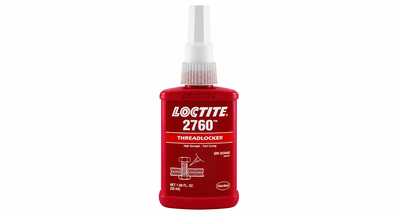
  • LOCTITE 2760

    LOCTITE 2760

    • Fast Anaerobic Cure
    • High-Strength Heavy-Duty Locking
    • Reduced Liquid Migration
  • LOCTITE 635

    LOCTITE 635

    • High-Strength Cylindrical Retention
    • Medium-Viscosity Application Control
    • Anaerobic One-Part Metal Cure
  • LOCTITE 641

    LOCTITE 641

    • Serviceable Medium-Strength Retention
    • Controlled Medium-Viscosity Flow
    • Anaerobic One-Part Metal Cure
  • LOCTITE 662

    LOCTITE 662

    • Anaerobic-and-UV Dual Cure
    • Fast Exposed-Bead Fixturing
    • High-Strength Cylindrical Retention
  • LOCTITE 88

    LOCTITE 88

    • Organic Air-Release Performance
    • Multi-Resin Formulation Scope
    • Vacuum De-Airing Process Support

Product selector guide

Product Chemistry Strength Viscosity [mPa·s] Typical Thread / Fit Cure Typical Application Key Differentiator
LOCTITE 079 Anaerobic acrylate Low Small / serviceable fasteners Anaerobic Serviceable threadlocking Low-strength specification / Letter Grade EV
LOCTITE 083 Anaerobic acrylate Medium General metal fasteners Anaerobic Serviceable threadlocking Medium-strength specification / Letter Grade CV
LOCTITE 084 Anaerobic acrylate Medium 10–25 Close-fitting threads Anaerobic Low-viscosity threadlocking Very low viscosity / Letter Grade C
LOCTITE 087 Anaerobic acrylate High 100–250 Coarse threaded fasteners Anaerobic Permanent fastening High-strength specification / Letter Grade AV
LOCTITE 2047 Anaerobic acrylate Medium General metal fasteners Anaerobic Serviceable assemblies Medium strength with slower cure profile
LOCTITE 220 Anaerobic acrylate Low Low / wicking Small / preassembled fasteners Anaerobic Post-assembly locking Low-strength wicking grade
LOCTITE 222MS Anaerobic acrylate Low Thixotropic Small fasteners Anaerobic Small screws / adjustment fasteners Easy hand-tool disassembly
LOCTITE 242 Anaerobic acrylate Medium Medium General metal fasteners Anaerobic General industrial assembly General-purpose removable threadlocker
LOCTITE 2422 Anaerobic acrylate Medium Thixotropic paste Metal fasteners Anaerobic High-temperature assemblies High-temperature serviceable grade
LOCTITE 2432 Anaerobic acrylate Medium General metal fasteners Anaerobic General industrial assembly Medium-strength threadlocking
LOCTITE 246 Anaerobic acrylate Medium–high Medium Metal fasteners Anaerobic Vibration-prone assemblies Enhanced vibration resistance
LOCTITE 248 Anaerobic acrylate Medium Semi-solid Metal threaded fasteners Anaerobic Portable maintenance Clean semi-solid stick application
LOCTITE 262 Anaerobic acrylate Medium–high Thixotropic Metal fasteners Anaerobic Heavy-duty fastening Controlled thixotropic application
LOCTITE 2620 Anaerobic acrylate Medium–high Thixotropic paste Metal fasteners Anaerobic Elevated-temperature assemblies High-temperature paste threadlocker
LOCTITE 263 Anaerobic acrylate High Low Metal fasteners Anaerobic Permanent threadlocking High strength with oil tolerance
LOCTITE 266 Anaerobic acrylate High Thixotropic Metal fasteners Anaerobic Permanent fastening Oil-tolerant high-strength grade
LOCTITE 268 Anaerobic acrylate High Semi-solid Metal threaded fasteners Anaerobic Permanent field assembly High-strength stick format
LOCTITE 2701 Anaerobic acrylate High Low Close-fitting metal fasteners Anaerobic Permanent locking Low viscosity with high strength
LOCTITE 271 Anaerobic acrylate High Low Large threaded fasteners Anaerobic Permanent fastening High strength for large fasteners
LOCTITE 272 Anaerobic acrylate High Medium Metal threaded fasteners Anaerobic High-temperature fastening High-temperature high-strength grade
LOCTITE 2760 Anaerobic acrylate High Metal fasteners Anaerobic Rapid permanent fastening Fast cure with reduced migration
LOCTITE 277 Anaerobic acrylate High Medium Large bolts / studs Anaerobic Heavy equipment fastening Designed for large-diameter fasteners
LOCTITE 290 Anaerobic acrylate Medium–high Low / wicking Preassembled fasteners Anaerobic Post-assembly locking Wicks into assembled threads
LOCTITE 294 Anaerobic acrylate Medium–high Low / wicking Close-fitting / assembled fasteners Anaerobic Post-assembly threadlocking Low-viscosity wicking grade
LOCTITE 962T Anaerobic acrylate High Thixotropic Metal threaded fasteners Anaerobic High-temperature fastening High-strength, heat-resistant grade
PERMABOND HH120 Anaerobic acrylate High ~7,000 Coarse / larger threads Anaerobic Heavy-duty threadlocking High-viscosity non-drip formulation
PERMABOND HH131 Anaerobic acrylate Very high High / thixotropic Bolts, nuts and screws Anaerobic Permanent high-temperature locking High-temperature grade with gas / drinking-water approvals
PERMABOND HL126 Anaerobic acrylate High 10–30 Preassembled / very close-fitting threads Anaerobic Wicking threadlocking Ultra-low-viscosity penetrating grade
PERMABOND HM118 Anaerobic acrylate High ~1,800 Metal threaded fasteners Anaerobic Permanent industrial fastening High-strength general threadlocking
PERMABOND HM128 Anaerobic acrylate High ~500 Metal threaded fasteners Anaerobic Permanent threadlocking High-strength medium-viscosity grade
PERMABOND HM129 Anaerobic acrylate High ~500 Metal threaded fasteners Anaerobic Permanent threadlocking Current Permabond classification is threadlocker
PERMABOND LM113 Anaerobic acrylate Low ~1,200 Small / serviceable fasteners Anaerobic Frequently dismantled assemblies Low strength for easy disassembly
PERMABOND MM115 Anaerobic acrylate Medium ~1,300 General metal fasteners Anaerobic Serviceable threadlocking Controlled medium strength / off-torque

Frequently asked questions

Frequently Asked Questions about Threadlockers

How do threadlockers cure without mixing or exposure to air?

Threadlockers use anaerobic cure chemistry, meaning they remain liquid as long as they are exposed to atmospheric oxygen. Once the adhesive is confined between the mating metal surfaces of a threaded fastener, oxygen is excluded and trace metal ions on the substrate surface trigger free-radical polymerization, causing the resin to harden into a rigid thermoset within the thread gap.

What is the difference between low, medium, and high-strength threadlockers?

Low-strength threadlockers form a light bond that can be removed with standard hand tools, suited to fasteners requiring frequent adjustment. Medium-strength grades offer secure vibration resistance while still allowing removal with hand tools when needed, making them the general-purpose standard for most assemblies. High-strength grades form a bond strong enough to require heat or specialized tools for removal and are intended for fasteners that are not meant to be disassembled during the life of the equipment.

Why do threadlockers cure slowly on stainless steel or plated fasteners?

Anaerobic cure depends on trace metal ions at the substrate surface to initiate the reaction. Active metals, such as bare steel, brass, and copper, provide enough surface reactivity for a fast, reliable cure. Passive metals, including stainless steel, zinc-plated, or anodized fasteners, have surface oxide layers that slow or inhibit the reaction, which can significantly extend cure time or leave the threadlocker incompletely cured. A compatible primer or activator is often used on passive substrates to restore normal cure speed.

Does thread gap size affect threadlocker performance?

Yes. Threadlockers are formulated for specific gap ranges based on their viscosity, and most standard grades are designed for typical machine-thread clearances. Excessively loose or worn threads exceed the product's rated gap-fill capability, which can result in reduced locking strength or incomplete cure. Thread size and expected clearance should be checked against the product's rated gap range before selection.

What is the difference between a threadlocker and a thread sealant?

Both products may share similar anaerobic chemistry, but their primary function differs. Threadlockers are formulated to prevent fastener loosening under vibration and to secure mechanical retention. Thread sealants are formulated to fill the void between mating pipe or fitting threads to prevent fluid or gas leakage. A product intended as a thread sealant should not be assumed to provide the same locking torque performance as a dedicated threadlocker, and vice versa.

How is a cured threadlocker removed for disassembly?

Removal depends on the locking strength grade used. Low and medium-strength threadlockers typically release with standard hand tools once sufficient breakaway torque is applied. High-strength threadlockers generally require localized heat, often in the range that softens the cured thermoset polymer, applied directly to the fastener before attempting removal, since forcing a high-strength joint without heat risks damaging the fastener or surrounding components.


Learn more

Threadlockers: Anaerobic Fastener Retention

Threadlockers are anaerobic adhesives that remain liquid while exposed to air but cure into a rigid thermoset once confined between the mating threads of a fastener, where the absence of oxygen and the presence of metal ions trigger polymerization. The cured resin fills the microscopic gaps between thread flanks, preventing the fastener from backing out under vibration, shock, or thermal cycling.

Selection comes down to locking strength: low-strength grades allow removal with hand tools for fasteners requiring periodic adjustment, medium-strength grades balance secure retention with serviceability, and high-strength grades form a permanent bond intended for fasteners that should never be disassembled.

Threadlocker Strength Selector Guide

Locking strength determines whether a fastener can be removed with hand tools, or is intended to stay locked permanently

Low-Strength
Locking Torque
★★☆☆☆
Removability
★★★★★
Vibration Resistance
★★★☆☆
Removal Method
Hand tools
Best for small fasteners, frequent adjustment, delicate assemblies
Medium-Strength
Locking Torque
★★★★☆
Removability
★★★☆☆
Vibration Resistance
★★★★☆
Removal Method
Hand tools
Best for general-purpose assembly, most machinery and equipment fasteners
High-Strength
Locking Torque
★★★★★
Removability
★☆☆☆☆
Vibration Resistance
★★★★★
Removal Method
Heat required
Best for permanent fasteners not intended for disassembly

Key Performance Considerations

Anaerobic Cure Trigger

Stays liquid in the bottle indefinitely when exposed to air, but cures once confined between metal threads, excluding oxygen and reacting with surface metal ions.

Active vs Passive Metals

Cures readily on active metals like steel, brass, and copper. Passive metals such as stainless steel or plated fasteners slow the cure and may need a primer or activator.

Gap Fill Range

Formulated for specific thread clearances based on viscosity. Excessively loose or worn threads can exceed the rated gap-fill capability and reduce locking strength.

Threadlocker vs Thread Sealant

Threadlockers secure mechanical retention against loosening. Thread sealants fill void space to prevent fluid or gas leakage. The two functions should not be assumed interchangeable.

Core Applications

Machinery & Equipment

Securing bolted fasteners on rotating or vibrating equipment where loosening could cause failure or safety risk.

Automotive Assembly

Locking fasteners on components subject to constant vibration and thermal cycling under the hood and chassis.

Electronics & Instrumentation

Low-strength grades secure small fasteners in devices and enclosures that may require future service access.

MRO & Field Maintenance

Reworking or preventatively locking fasteners on equipment already in service to prevent loosening in the field.

Need Help Selecting the Right Threadlocker?

Threadlocker selection depends on required locking torque, fastener size, metal type, and whether future disassembly is expected. Our technical team provides product selection support, trial quantity sourcing, and application guidance across low, medium, and high-strength threadlocking systems.

Threadlocker – Quick Reference

Low-StrengthRemovable, small fasteners, frequent adjustment
Medium-StrengthGeneral purpose, hand-tool removable
High-StrengthPermanent, heat required for removal

Leading Brands Trust in Our Products and Services

  • Jabil
  • Linxens
  • Magna
  • Medtronic
  • NXP
  • Philips
  • Semikron
  • Teledyne
  • Thales
  • Vishay
  • ZF
  • AMS
  • Apple
  • Audi
  • Broadcom
  • Borgwarner
  • Bosch
  • Eaton
  • Henkel
  • Honeywell
  • Hysol
  • Intel
Products that Perform|Knowledge that Serves|Service that Delivers