Thermal Control
Aerospace and defense electronics generate heat in tightly packed enclosures with limited airflow, while engines, actuators, and landing gear systems run through extreme temperature swings on the ground and in flight. Managing that heat without adding excess weight or failure points is a materials problem as much as a design problem.
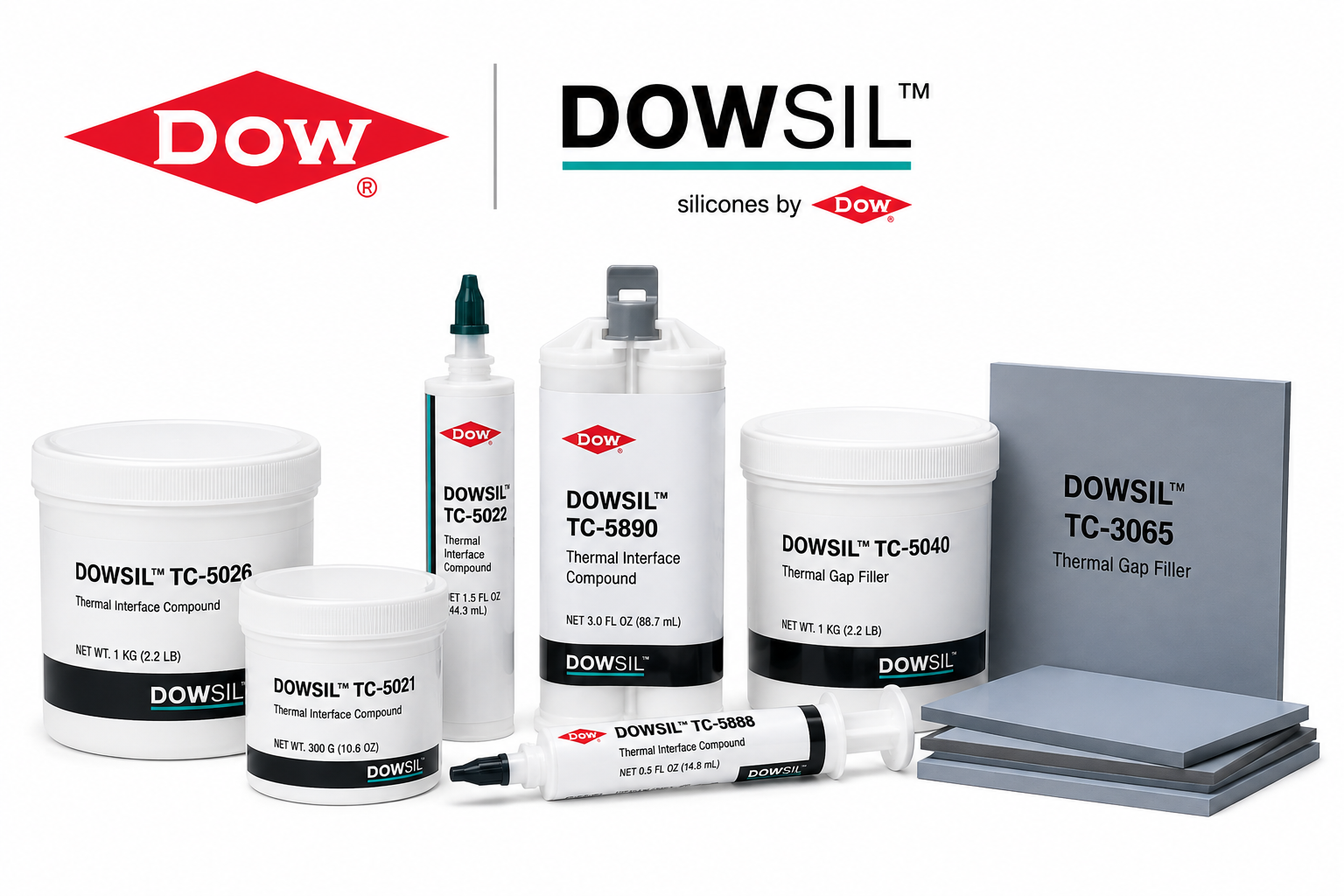
Krayden supplies thermal interface materials, greases, gap fillers, and thermal fluids used to move heat away from power electronics, avionics enclosures, and mechanical systems across commercial and defense aerospace platforms.
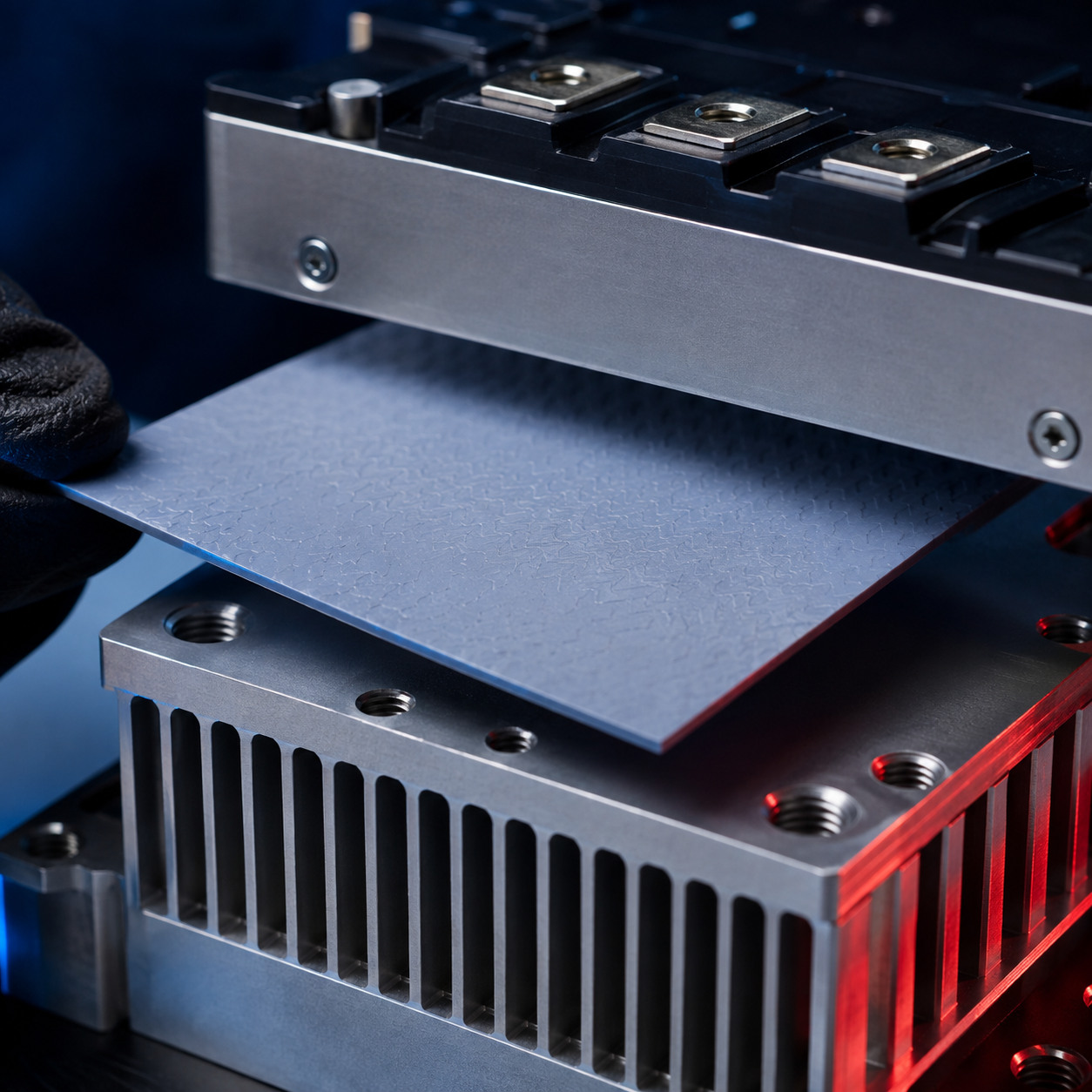
Where Materials Are Used in Thermal Control
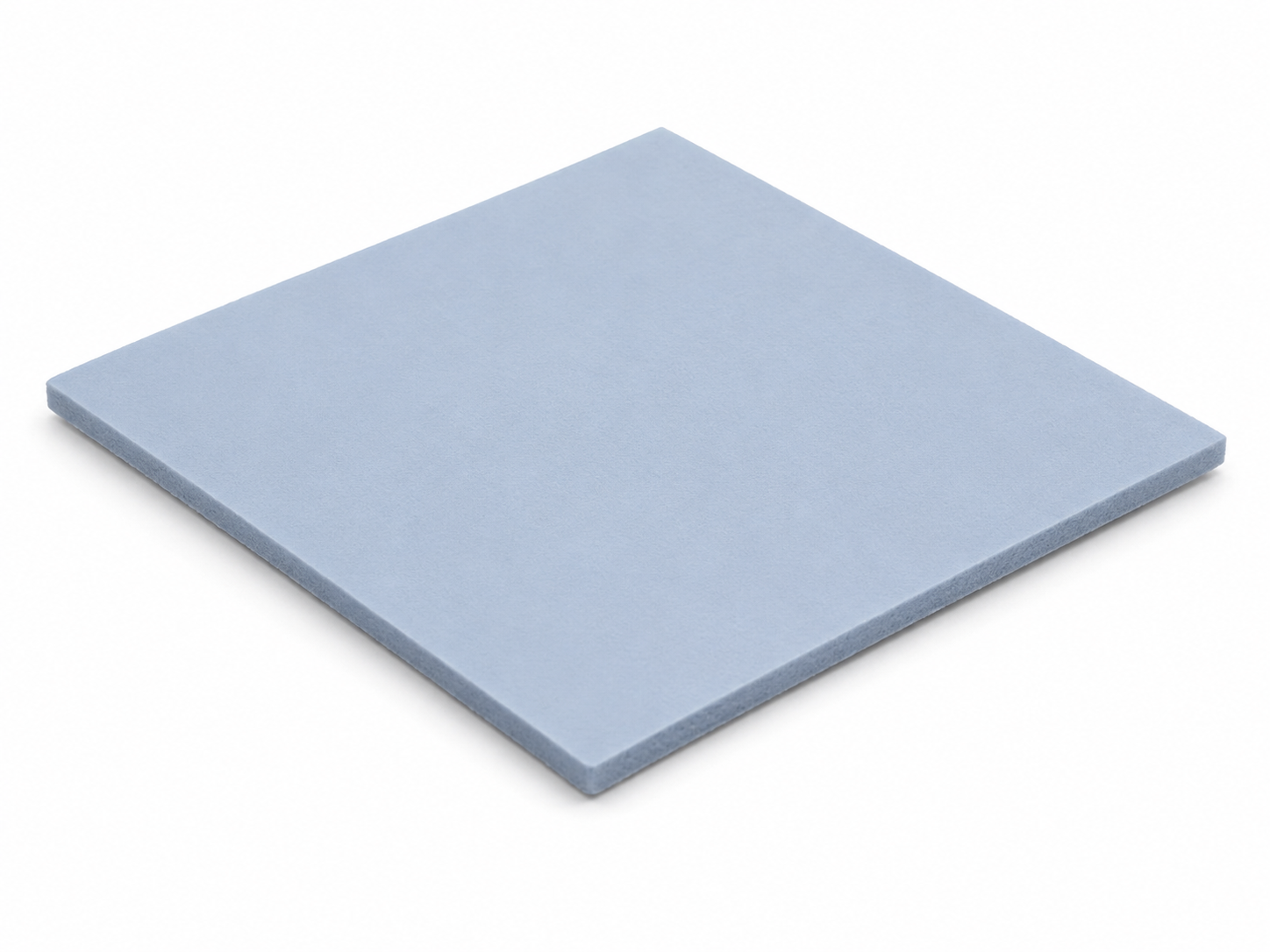
Gap pads and gap fillers used between processors, power supplies, and enclosure walls to move heat toward the chassis.
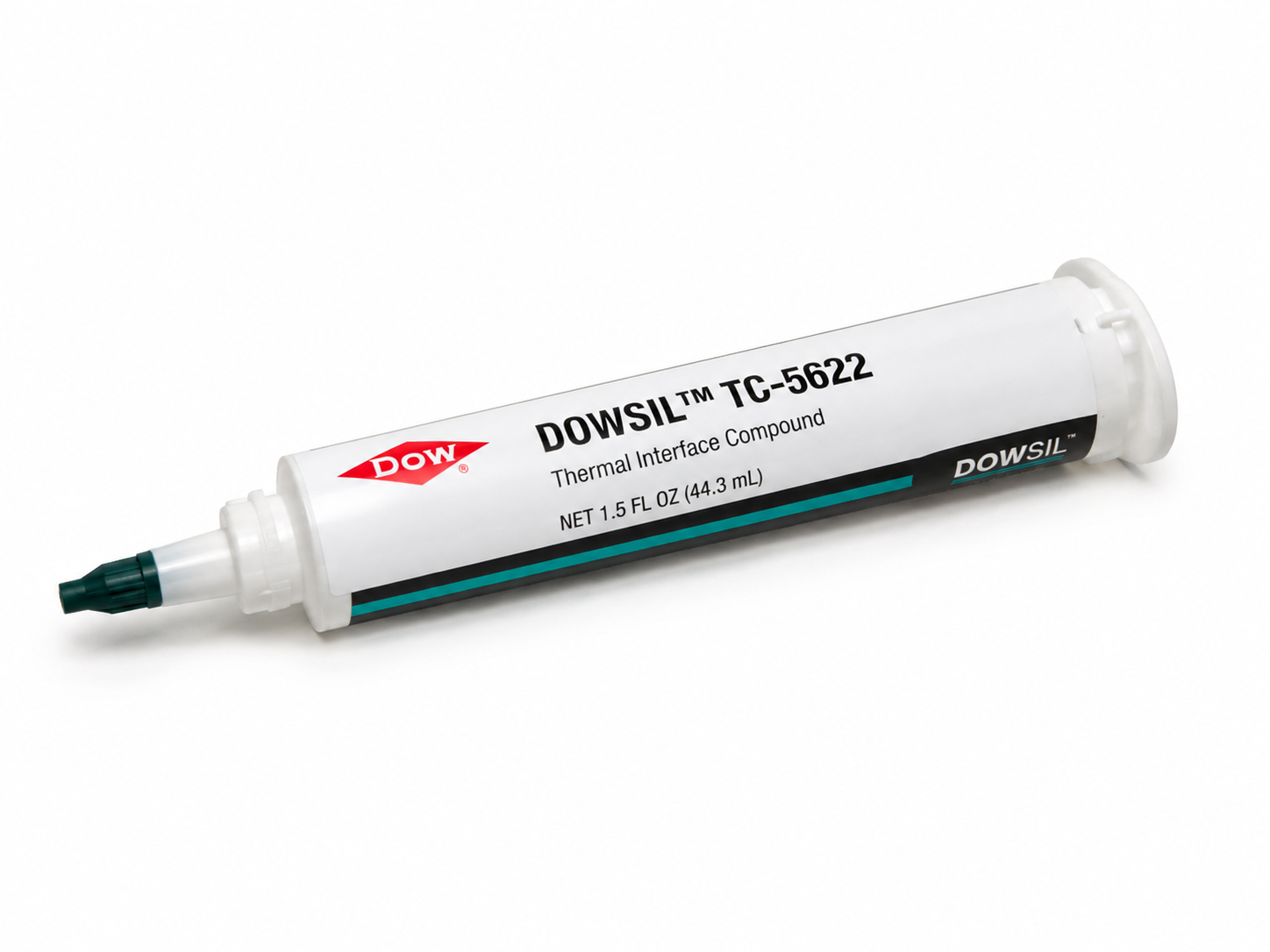
Thermal greases and compounds applied between power devices and heat sinks or cold plates to reduce contact resistance.
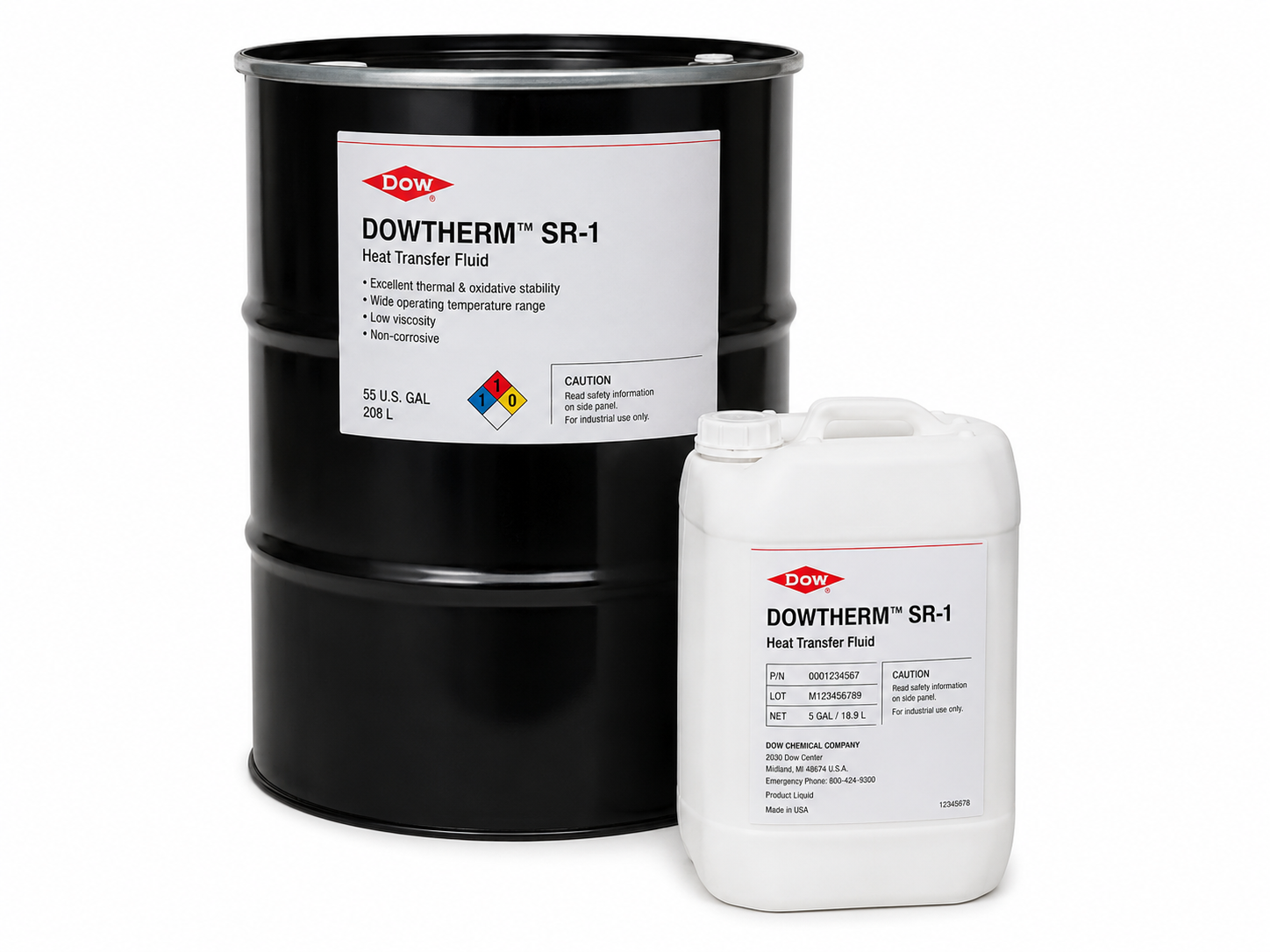
High-temperature greases and heat transfer fluids used in mechanical systems exposed to extreme thermal cycling.
Gap fillers and dielectric thermal materials used to manage heat and provide electrical isolation in battery packs and power modules.
Key Aerospace Requirements
Thermal impedance or resistance at the actual installed thickness and contact pressure, not bulk conductivity alone.
Hardness, compressibility, and compression set behavior relevant to the mounting hardware and component stack.
Electrical insulation where the interface material sits between a live component and a grounded chassis or heat sink.
Stable performance across the continuous, intermittent, and excursion temperatures the platform is expected to see.
Resistance to migration or separation under thermal cycling and vibration over the service life of the assembly.
Featured Supplier Spotlight
Frequently Asked Questions
What is the difference between a thermal pad and a thermal grease?
A thermal pad is a preformed sheet that fills a fixed gap between a component and a heat sink or chassis, while a thermal grease is a non-curing paste applied thin between two flat, tightly mounted surfaces. Pads are easier to rework and tolerate more gap variation; greases generally offer lower thermal resistance at a controlled bondline but require careful application and periodic inspection for pump-out.
Does higher thermal conductivity always mean better performance?
Not necessarily. Bulk thermal conductivity is one input, but installed performance depends on the actual bondline thickness, contact pressure, and surface condition in the real assembly. A lower-conductivity material installed at a thinner, well-controlled bondline can outperform a higher-conductivity material installed poorly.
When is electrical insulation required in a thermal interface material?
Dielectric TIMs are used when the interface sits between a live component or trace and a grounded chassis, heat sink, or enclosure wall. Where the interface is between two grounded metal surfaces, electrical insulation typically is not a selection driver and a non-insulating material may be more appropriate.
What causes thermal grease to fail over time?
Common failure modes include pump-out, where repeated thermal cycling gradually pushes grease out of the bondline, and dry-out, where volatile components evaporate over time and increase thermal resistance. The likelihood and rate depend on the specific formulation, mounting pressure, and thermal cycling profile, so datasheet aging data should be checked against the platform's expected service conditions.
Are these materials qualified to aerospace or military standards?
Qualification varies by product, chemistry, and grade. Some thermal interface materials are formulated to meet outgassing or environmental standards commonly referenced in aerospace work, but current certification status should be confirmed for the specific product and grade in question. Contact the technical team for documentation.
Do you provide support for thermal material selection?
Yes. The Krayden technical team works directly with engineers on thermal material selection, datasheets, and application support for new platform qualification or retrofit work.
Need Help Selecting Thermal Interface Materials?
Selection depends on the installed bondline, contact pressure, dielectric requirements, and operating temperature range. The Krayden technical team provides material selection support, datasheets, and application guidance across thermal pads, greases, gap fillers, and thermal fluids.
Thermal Control – Quick Reference