Propulsion Systems
Engine bays, exhaust sections, and fuel systems run through some of the most extreme conditions on the aircraft: sustained high heat, constant vibration, and continuous exposure to fuel, hydraulic fluid, and de-icing chemicals. Materials specified here have to hold a seal, resist corrosion, and stay bonded well past the temperatures most aerospace materials are rated for.
Krayden supplies high-temperature sealants, corrosion-protection surface treatments, and structural adhesives used across engine, exhaust, and nacelle applications on commercial and defense platforms.
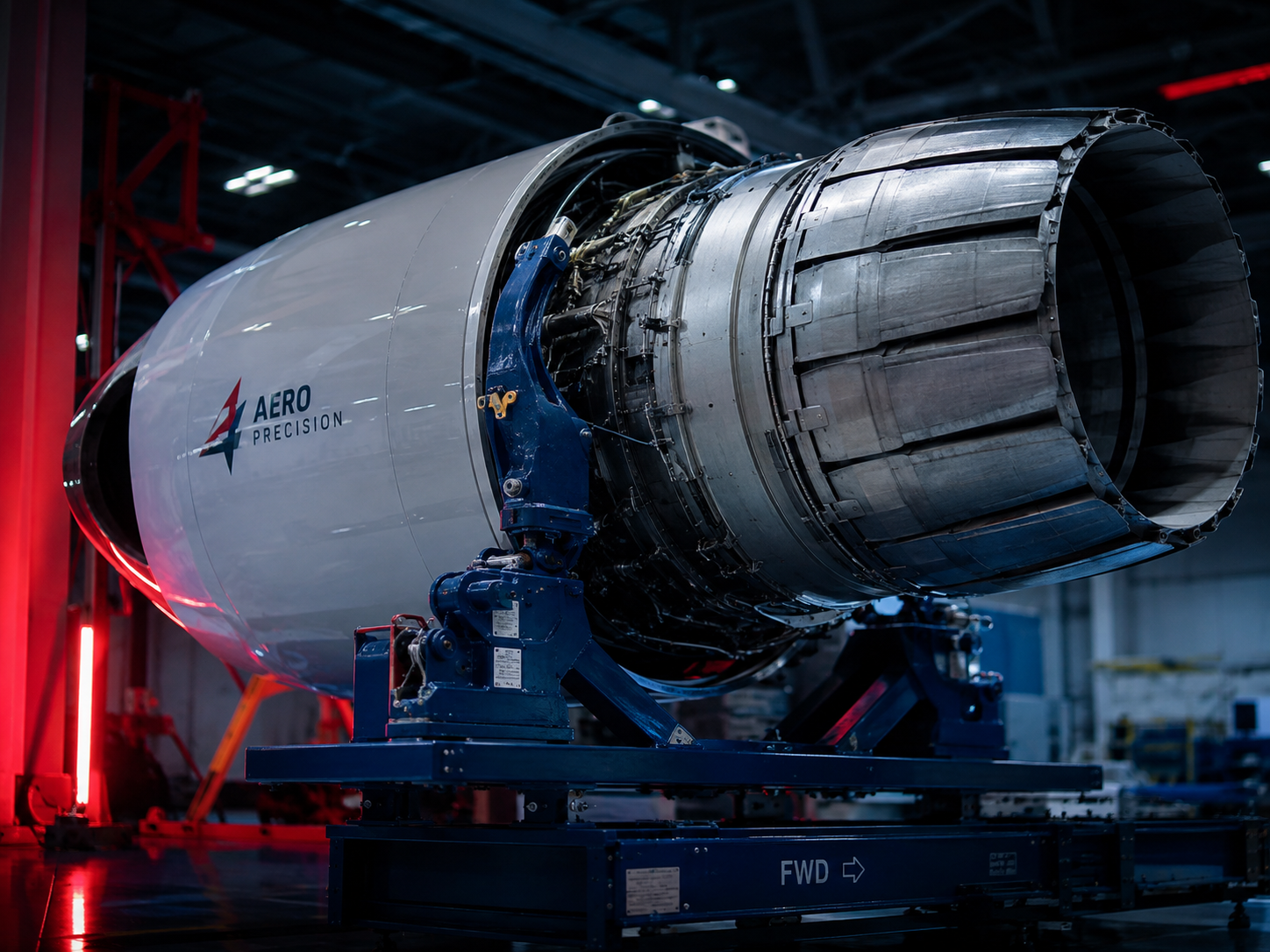
Where Materials Are Used in Propulsion Systems
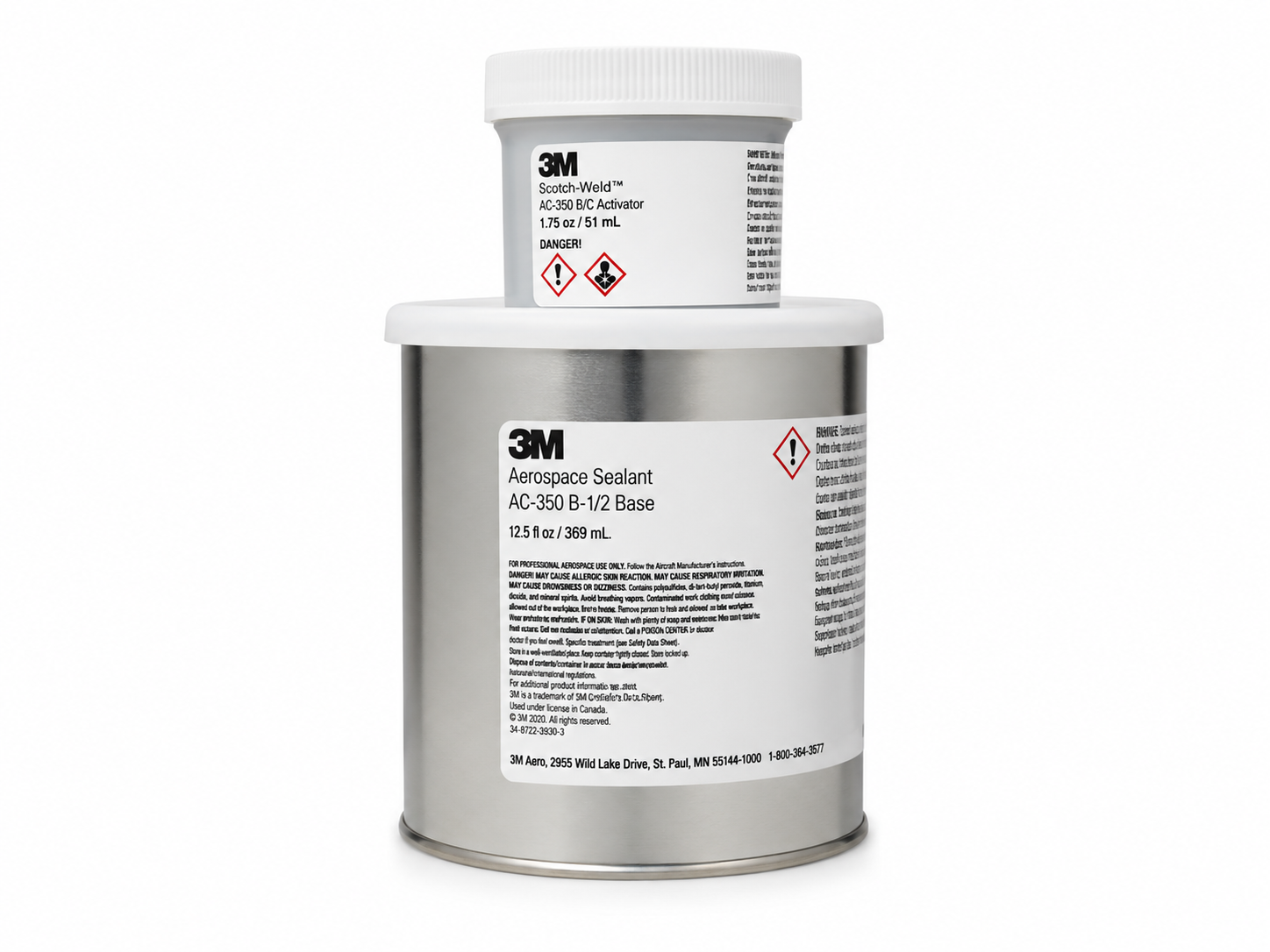
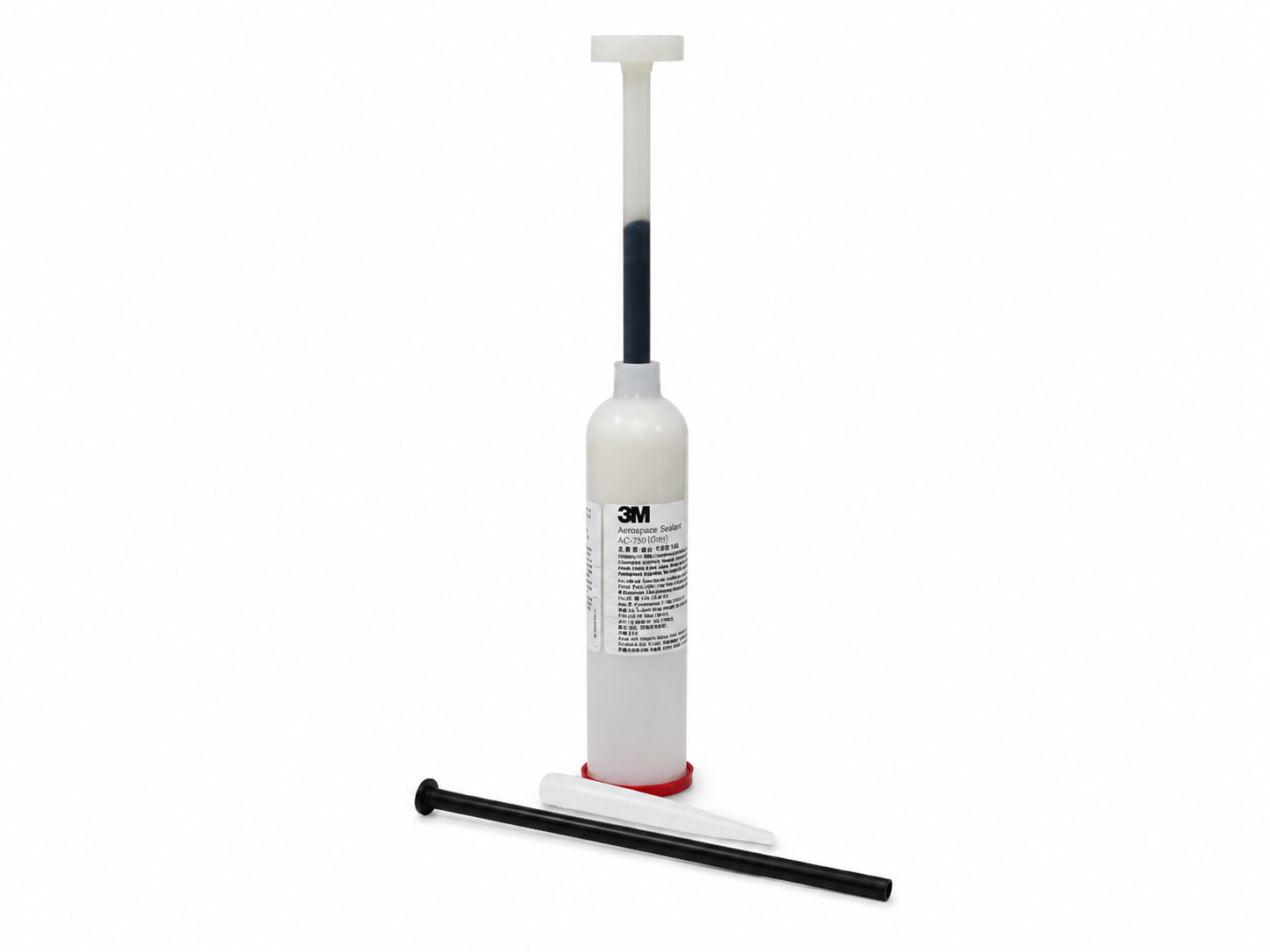
High-temperature and fuel-resistant sealants used at fuel system joints, fittings, and access panels.
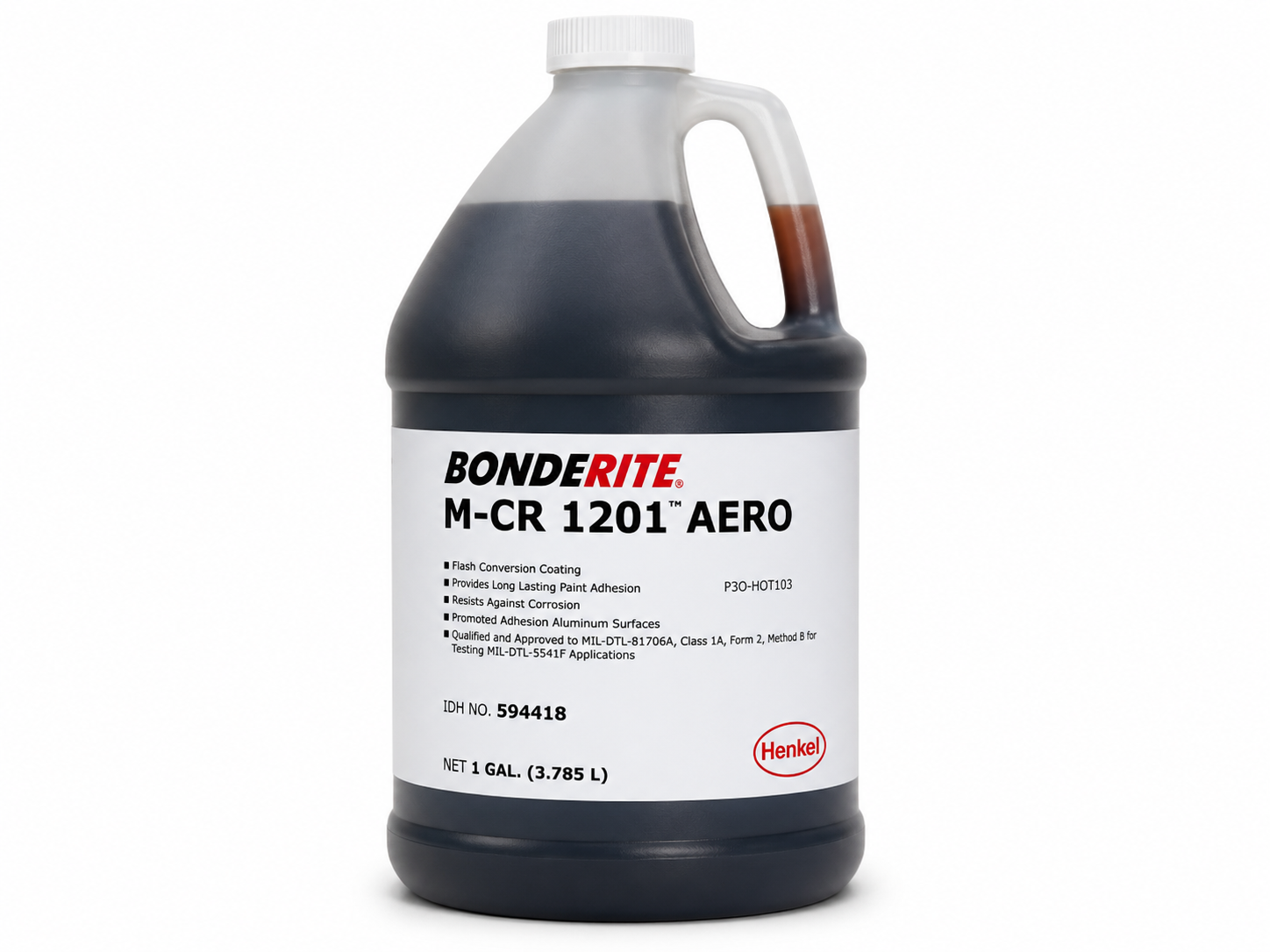
Primers, conversion coatings, and surface treatments used to protect engine and nacelle metal components from corrosion.
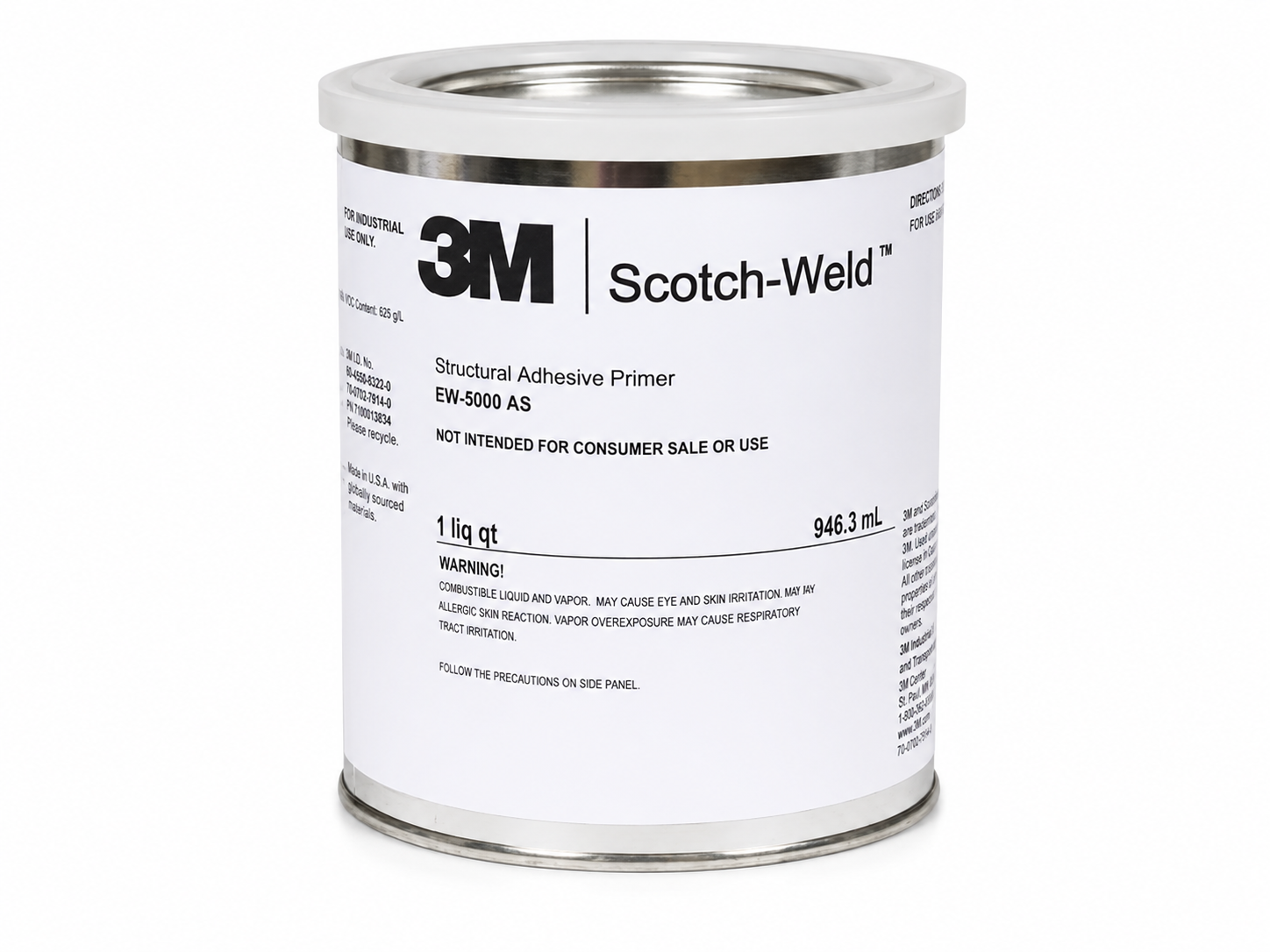
Structural adhesives used to bond composite and metallic ducting, nacelle panels, and access structures.
Key Aerospace Requirements
Retained mechanical and sealing performance at the sustained high temperatures found near the powerplant and exhaust.
Chemical resistance to jet fuel, hydraulic fluid, and de-icing chemicals without swelling, cracking, or loss of adhesion.
Mechanical durability under the continuous, high-frequency vibration generated near rotating engine hardware.
Protection of metal substrates against oxidation and galvanic corrosion in a high-heat, high-moisture-cycling environment.
Low added weight and, where required, materials that support visual or non-destructive inspection during maintenance.
Frequently Asked Questions
What makes a sealant "fuel-resistant" versus a general-purpose sealant?
A fuel-resistant sealant is formulated and tested to maintain adhesion, flexibility, and sealing performance after prolonged contact with jet fuel and related fluids, rather than just avoiding a dramatic reaction on first exposure. General-purpose sealants can swell, soften, or lose adhesion over time when exposed to the same fluids, so fluid compatibility data specific to the exposure should be checked before substitution.
Why is corrosion protection treated separately from structural bonding in engine areas?
Corrosion protection and structural bonding address different failure modes. A conversion coating or primer protects the base metal from oxidation and galvanic attack, while a structural adhesive carries mechanical load between parts. The two are often used together on the same component, with the surface treatment applied first to prepare and protect the substrate before bonding.
Can a standard structural adhesive be used near the engine or exhaust?
It depends on the specific temperature the location reaches. Many general aerospace structural adhesives are rated well below the sustained temperatures found near the powerplant or exhaust, so a material's continuous-use temperature rating should be checked against the actual location before it's specified in a high-heat zone.
Are these materials qualified to aerospace or military standards?
Qualification varies by product, chemistry, and grade. Some sealants, surface treatments, and adhesives in this category are formulated to meet standards commonly referenced in propulsion system work, but current certification status should be confirmed for the specific product and grade in question. Contact the technical team for documentation.
Do you provide support for propulsion system material selection?
Yes. The Krayden technical team works directly with engineers on material selection, datasheets, and application support for engine, exhaust, and nacelle programs.
Need Help Selecting Propulsion System Materials?
Selection depends on the operating temperature, fluid exposure, vibration environment, and any applicable certification requirements. The Krayden technical team provides material selection support, datasheets, and application guidance across sealants, surface treatments, and structural adhesives.
Propulsion Systems – Quick Reference